
Case Study
As Goes The South
a Narrative Change Project
The Challenge
Birmingham, Alabama—the cradle of the American Movement for Civil and Human Rights — operated under a perpetual shadow of Alabama's reputation for hate and harm against non-white people. For sixty years, the national consciousness, global investors, and regional talent retention had been anchored in a static narrative: a 1963 black-and-white loop of hoses, dogs, and trauma. While this history is sacrosanct, the absolute reliance on it as the city’s only narrative had become a structural risk. This outdated, monochromatic perception created measurable drag on metropolitan economic and social progress. It obscured the reality of a modern, vibrant, soulful city wrestle with contemporary challenges. Inside City Hall, we realized a devastating half-truth: If we didn't tell a better story of the modern South, someone else would continue to define the region by its past. The risk was irrelevance and invisibility to the next generation of Americans; Birmingham residents and community investors. The opportunity was reclaiming the city’s narrative, intrigue, and enchantment for a new generation while honoring the people that got us here.
Our Approach
My Role: Co-Founder, Southern Futures Project; Co-Executive Producer
We approached As Goes The South not as a traditional documentary, but as strategic civic infrastructure.
Our goal more than make a movie — it was narrative change. To do that we had to reframe our team and approach.
The Southern Futures Project: My partner, Noel Didla, and I formed The Southern Futures Project as a separate initiative anchored outside of City Hall for positional and fiscal purposes. While I had support of Mayor Woodfin to create the project, Noel and I were building something different. And, if we embedded a change initiative inside City Hall it might be perceived to be more political than it was intended to be.
Collective Giving Fundraising: We hosted numerous “friendraisers” in living rooms and small businesses across Birmingham. Altogether we raised more than $59,000 in a mix of individuals, small business owners, and agency partners. We featured every donor — no matter how much the contribution — in the credits of our film.
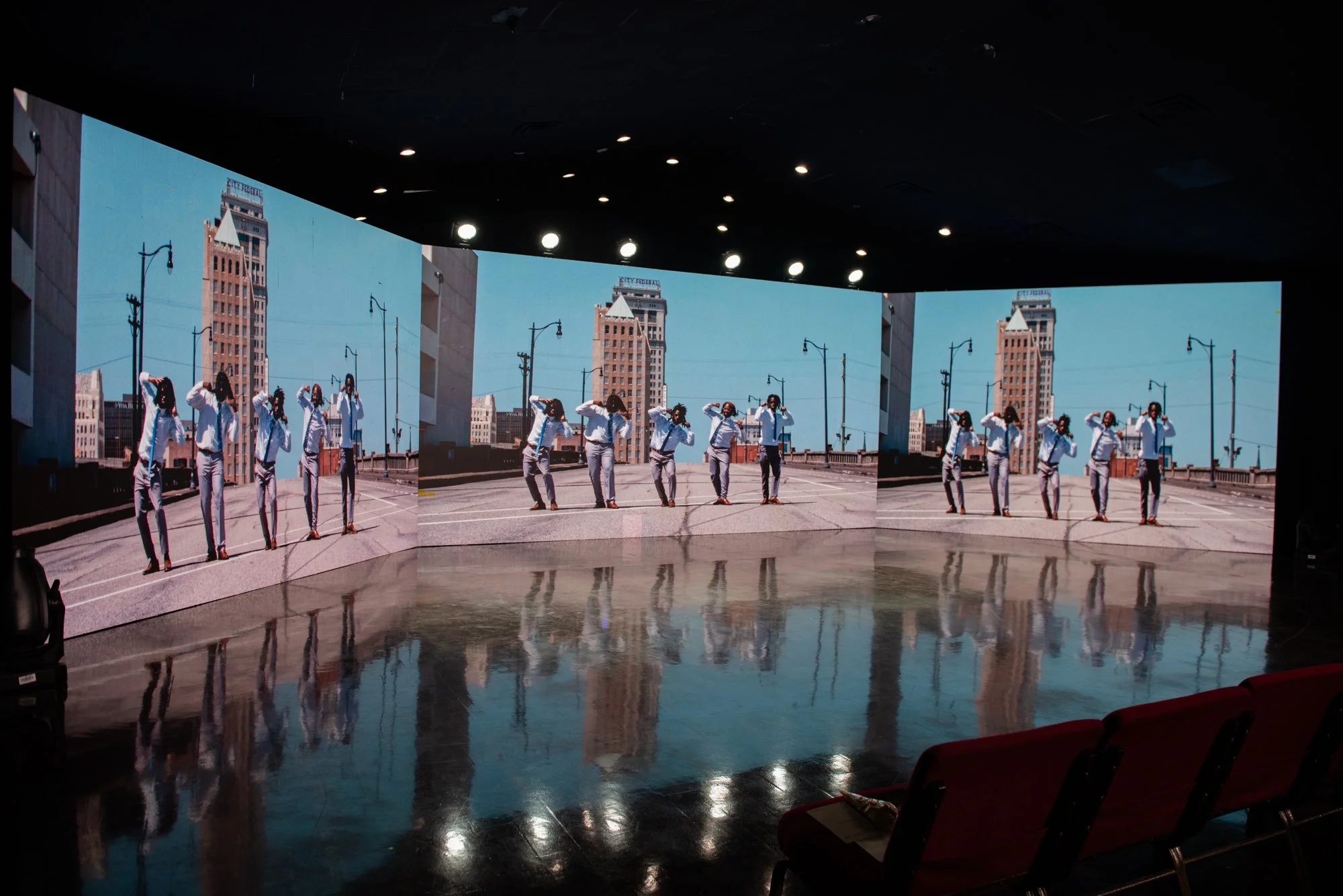
'City Symphony' Framework: We chose an experimental narrative structure called ‘city symphony’. with a democratically distributed narrative with no central character other than the city of Birmingham.
This made the collective vigor of images, sounds, and people more important than what each of those elements could carry on their own.
“The city symphony is an unusual genre, which belongs almost entirely to just one decade: the 1920s. It’s a divided genre too. These silent films could celebrate the splendours of modernity or castigate the decadence and the degradation of urban life. Occasionally they do both. These urban documentaries have no stars, no characters and no plot. Their structure is borrowed from the movements and motifs of orchestral symphonies or the hours of the day, rather than the dynamics of narrative pacing.” -Pamela Hutchinson, BFI
Asset-Based Storytelling: We made a strict strategic choice to limit black-and-white imagery. It was a big decision because by not including images of Black trauma we were also not including the images of Black triumph…at least not in the form Birmingham has been known and lionized.
Instead, we presented Birmingham in vibrant 4K color, emphasizing our ancestor’s triumph in the form of civic innovation, Black joy, urban agriculture, flourishing arts — progress since the point of trauma. Progress in spite of state sponsored hatred.
We designed the project to provide a new mental map of the region, utilizing film as the distribution mechanism for a more complex, asset-based truth.
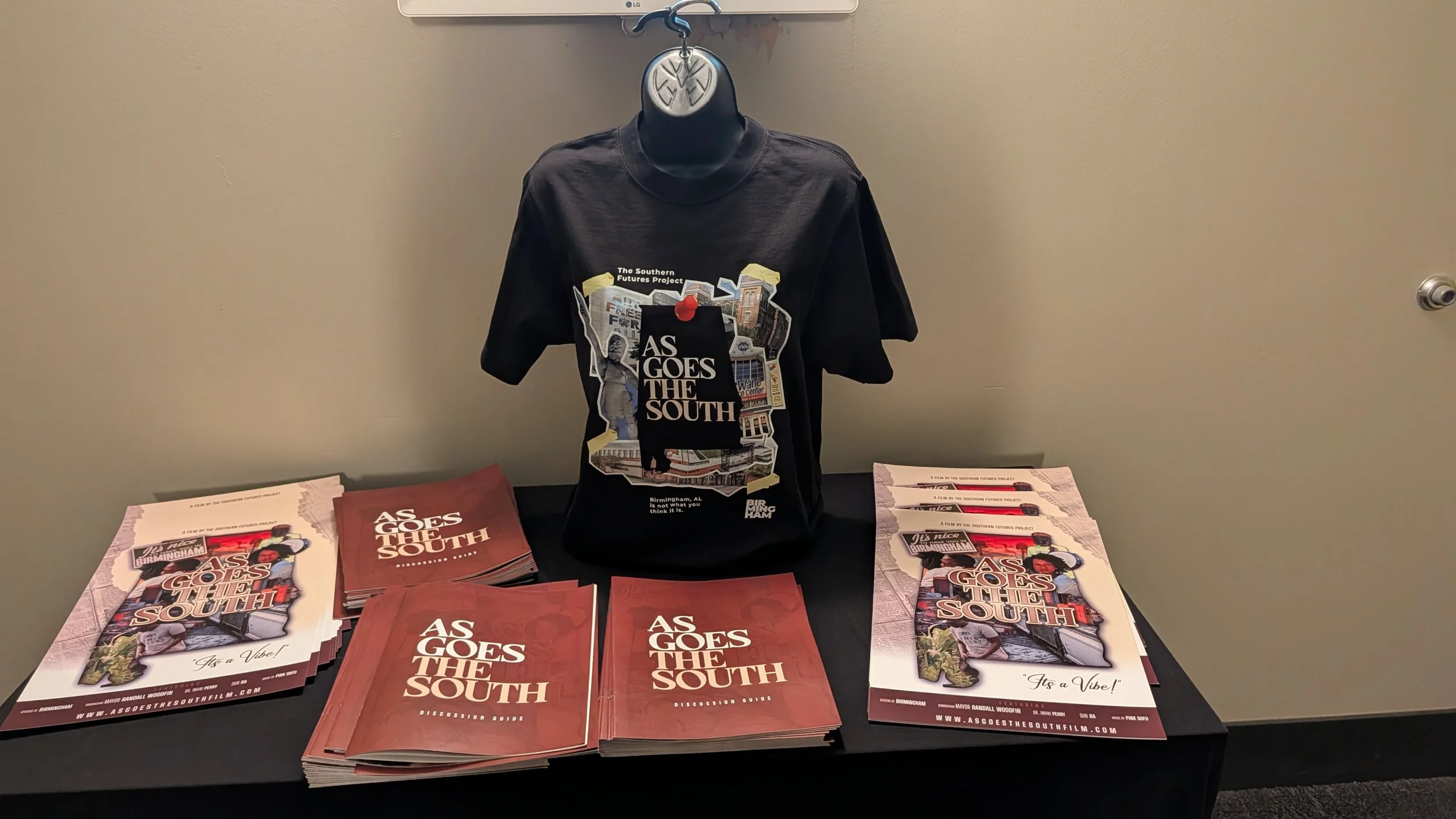
A Universe of Assets: The film wasn't an isolated creative endeavor. We built a collection of promotional and storytelling assets to support the work.
45-minute Film (all formats)
Poem
Soundtrack Wax Album: …So Goes The Nation
Our Impact
How do we know we shifted the narrative?
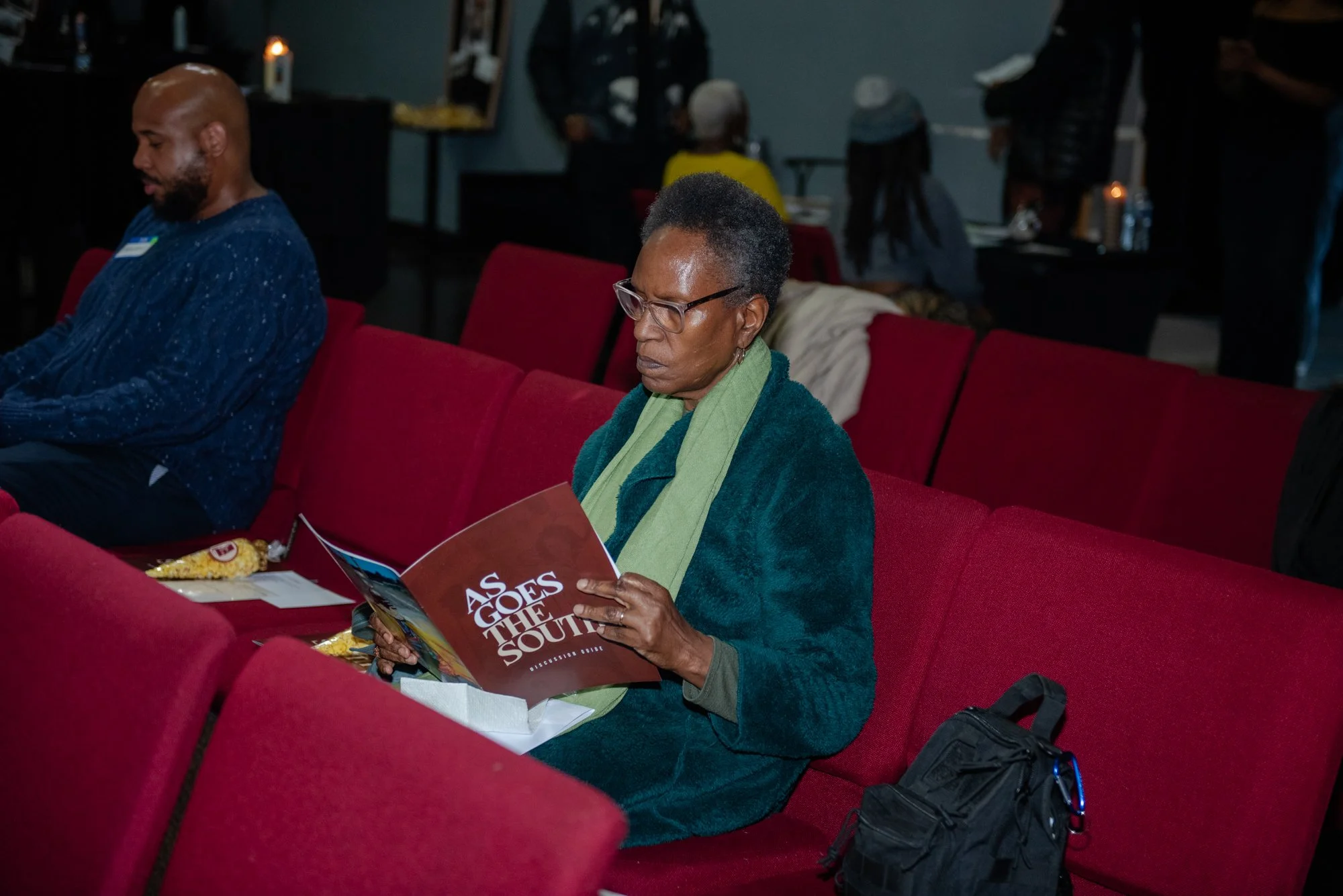
We only know it by the stories people tell us. The feedback and testimonials. The embrace by universities and other cities who invited their students, employees, and funders in rooms to watch our film and say, “I wish we were doing what Birmingham is doing.”
Here are a few other data points.
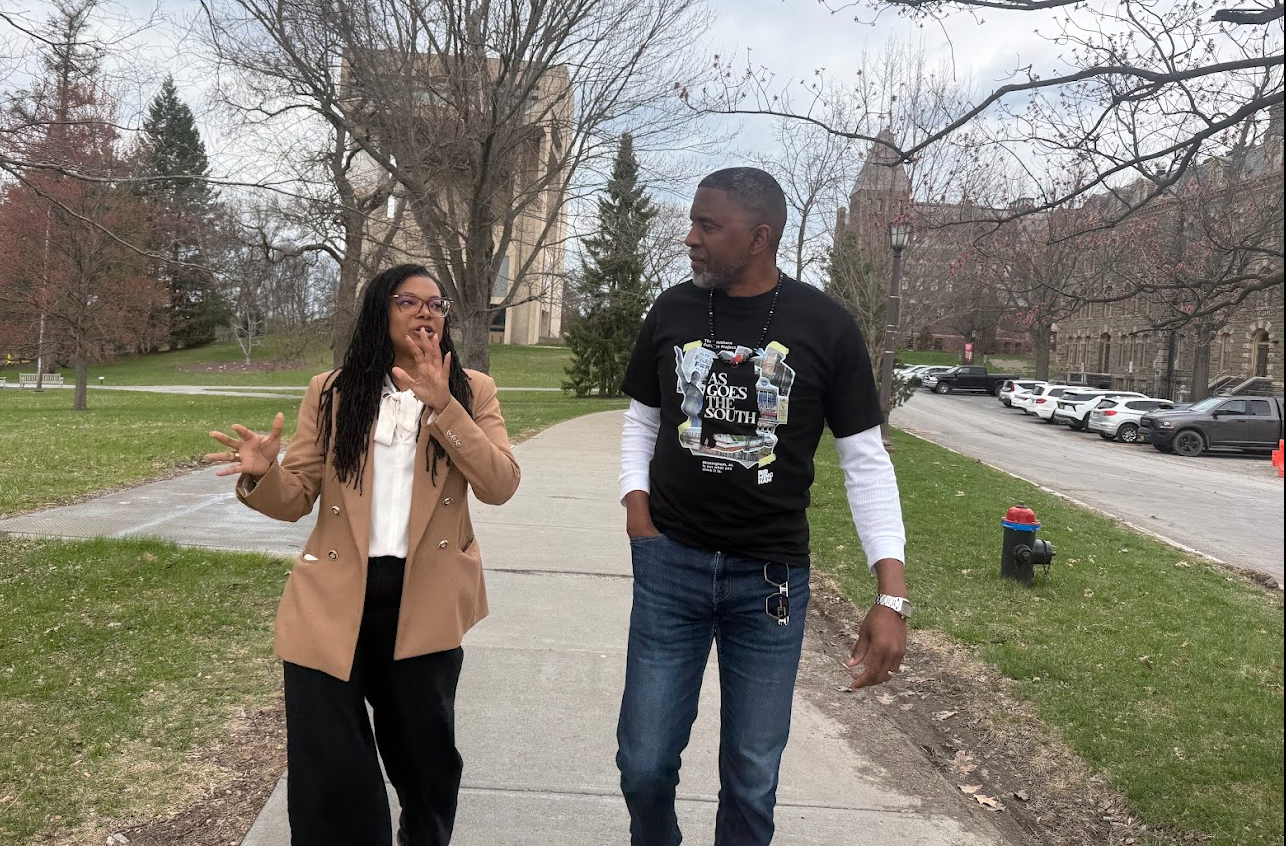
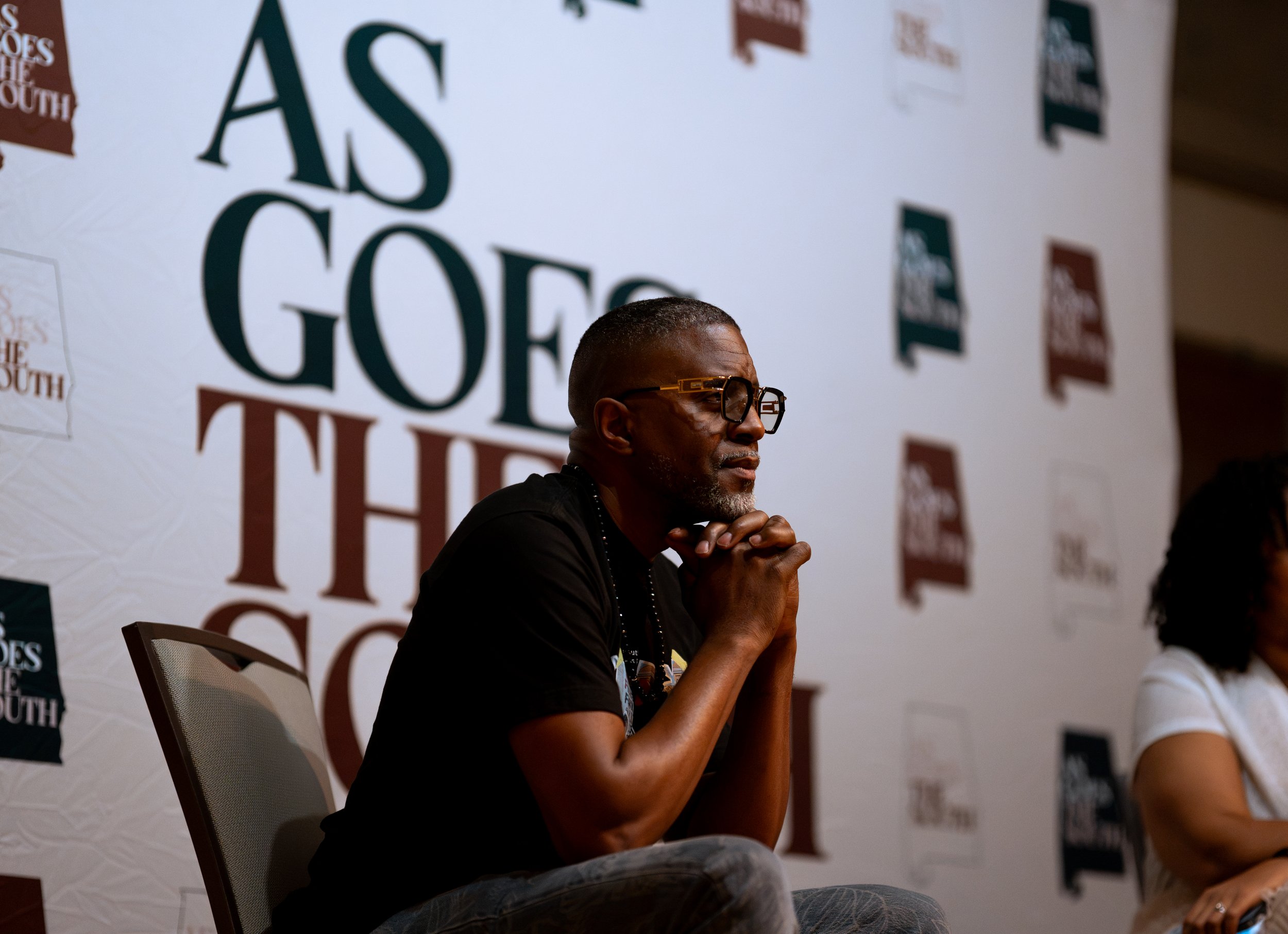
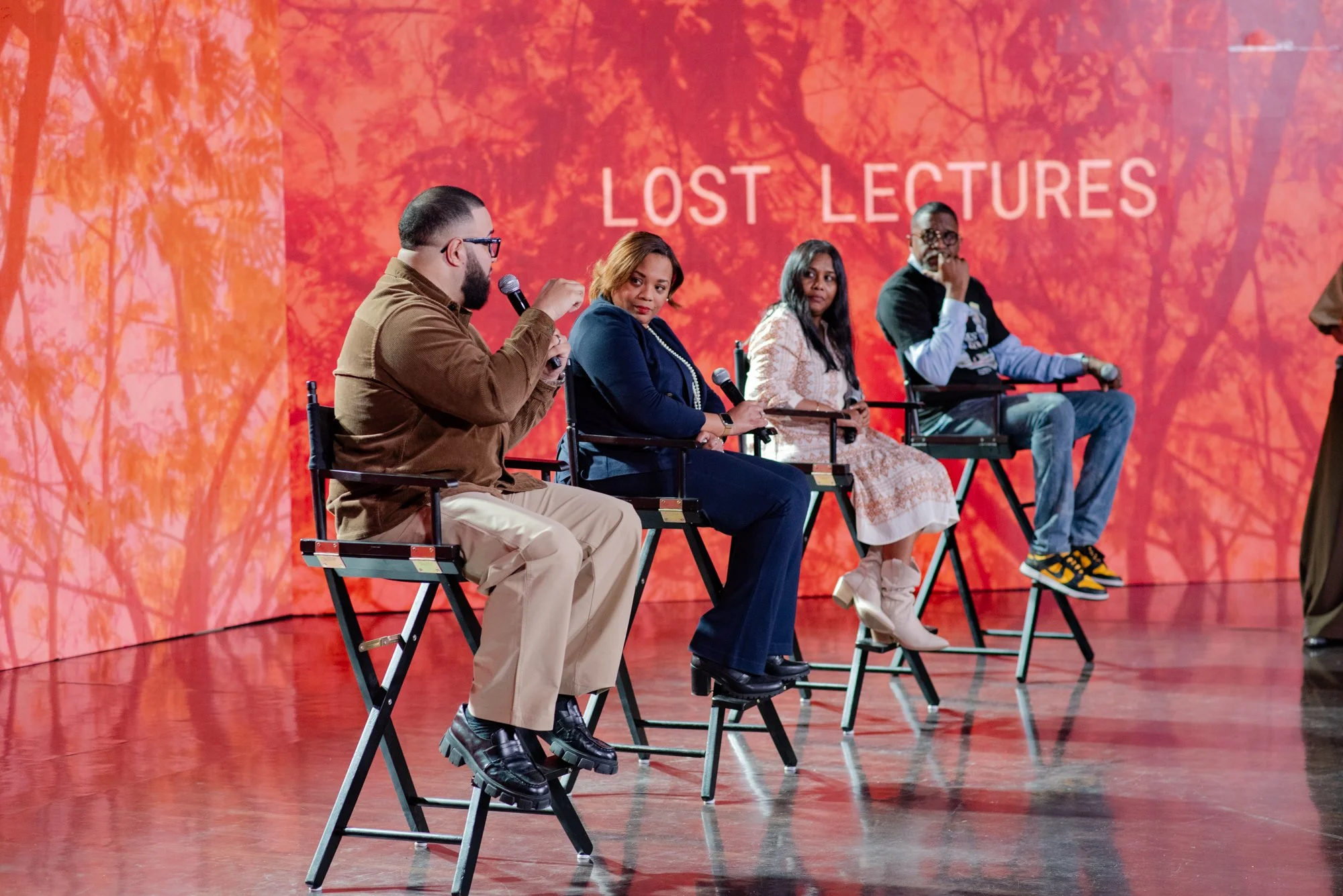
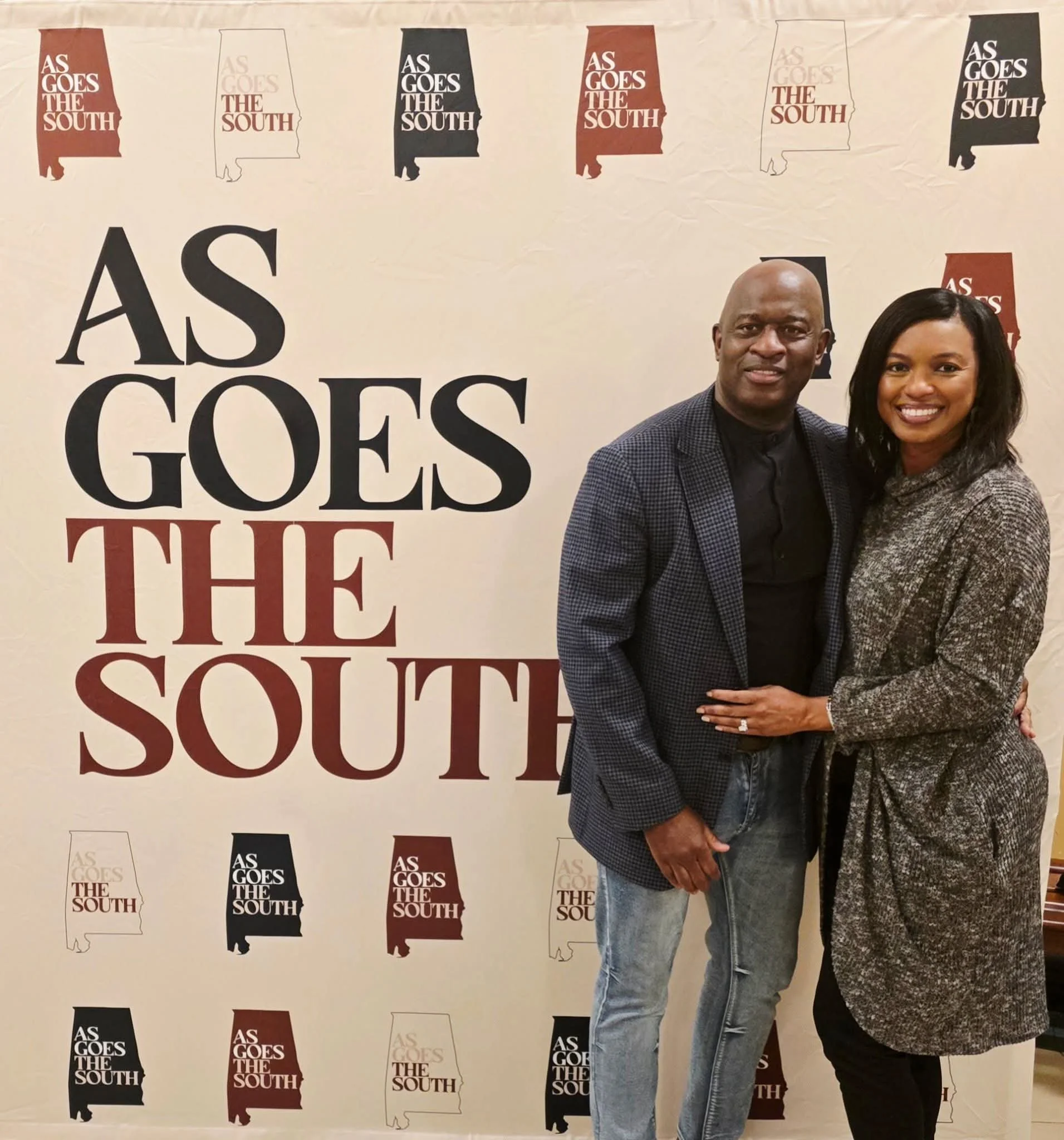
We hosted more than 30 screenings across 10 states, and 17 cities. We hosted 13 screenings in Birmingham.
More than 2,000 attended our screenings and engaged with our materials.
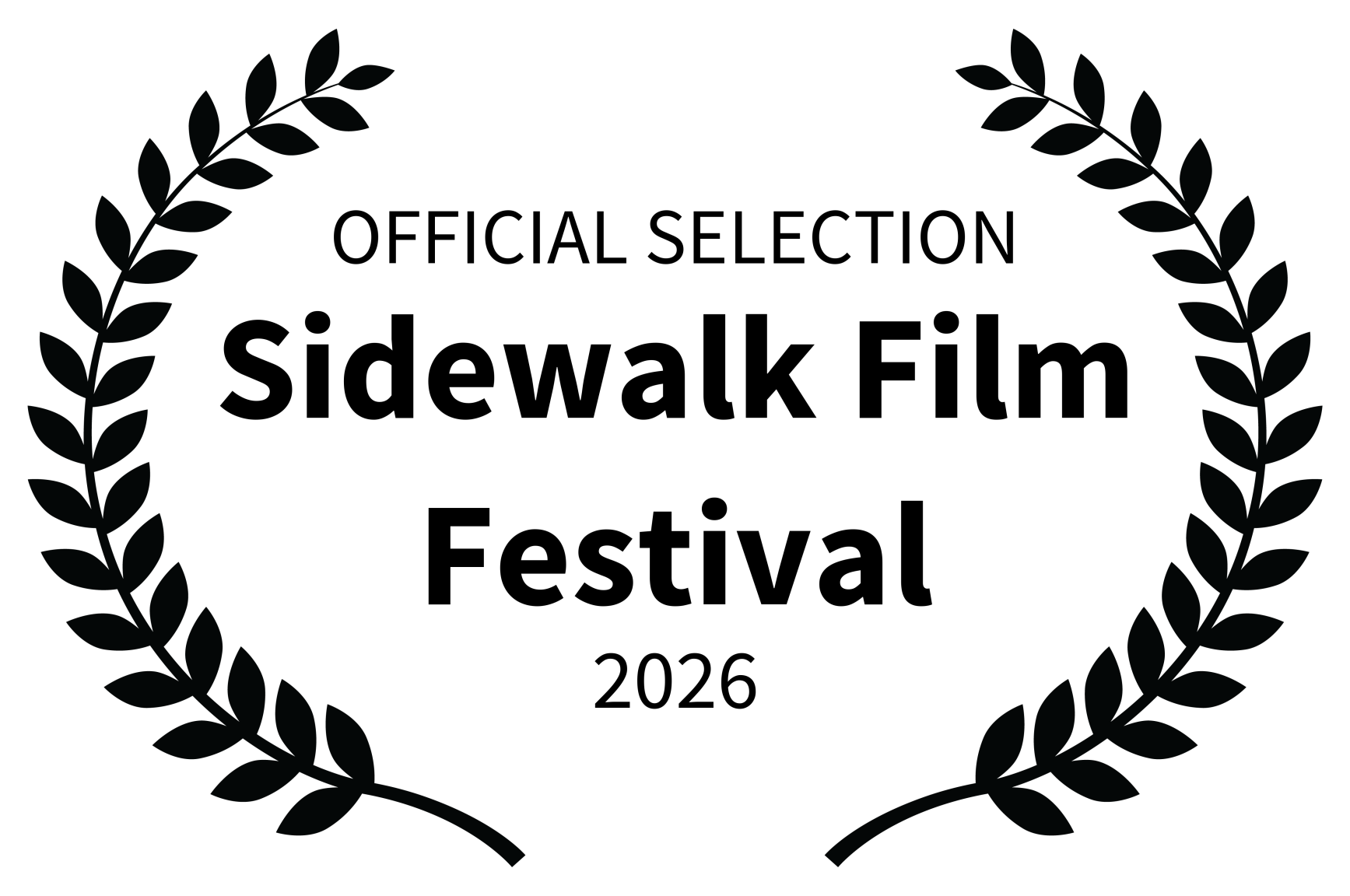
We were accepted into 6 film festivals, including two honorable mentions.
As Goes The South was incorporated in university symposia and program content for national policy convenings.





On A Personal Note
As Goes The South required five years of my life. From ideation to development to execution, this project was as life-changing for me as it was impactful for the communities I represent.
I learned so many new things. Met so many new people. Gained deeper perspectives in many directions.
None of it would be possible without my joyous, curious and beautiful relationships with my partner Noel, our film project team, and many community partners who funded the film and hosted screenings.
While on the road we repeated a phrase: If Birmingham can win, America can win.
After hundreds of conversations with people around the nation, I believe it more than ever.
Honestly,
Ed.