
Case Study
The Academy of Civic Engagement
Civic Innovation & Audience Development
The Challenge
When Mayor Randall Woodfin took office in 2017, we inherited a structural deficit that didn't show up on a balance sheet. While our historic campaign had just mobilized a massive, passionate base of residents who believed they could change things, the city’s formal democratic infrastructure—the neighborhood associations—were aging, and participation was steadily declining.
Simultaneously, a palpable disconnect had taken root: residents perceived City Hall as a fortress with thick alabaster walls and locked doors. The challenge was clear: how do we harness the raw, grassroots energy we nurtured on the campaign trail and bring it inside City Hall? We needed to institutionalize that momentum without making it overtly political. It had to be fiercely democratic, stripping away partisanship to focus entirely on civic progress.
Our Approach
My Role: Founding Organizer & Program Architect
To fix the system, we first had to map it. We conducted a comprehensive audit of every civic on-ramp in the city of Birmingham—from neighborhood associations to municipal boards. Our core finding was jarring but clear: there was zero connective tissue.
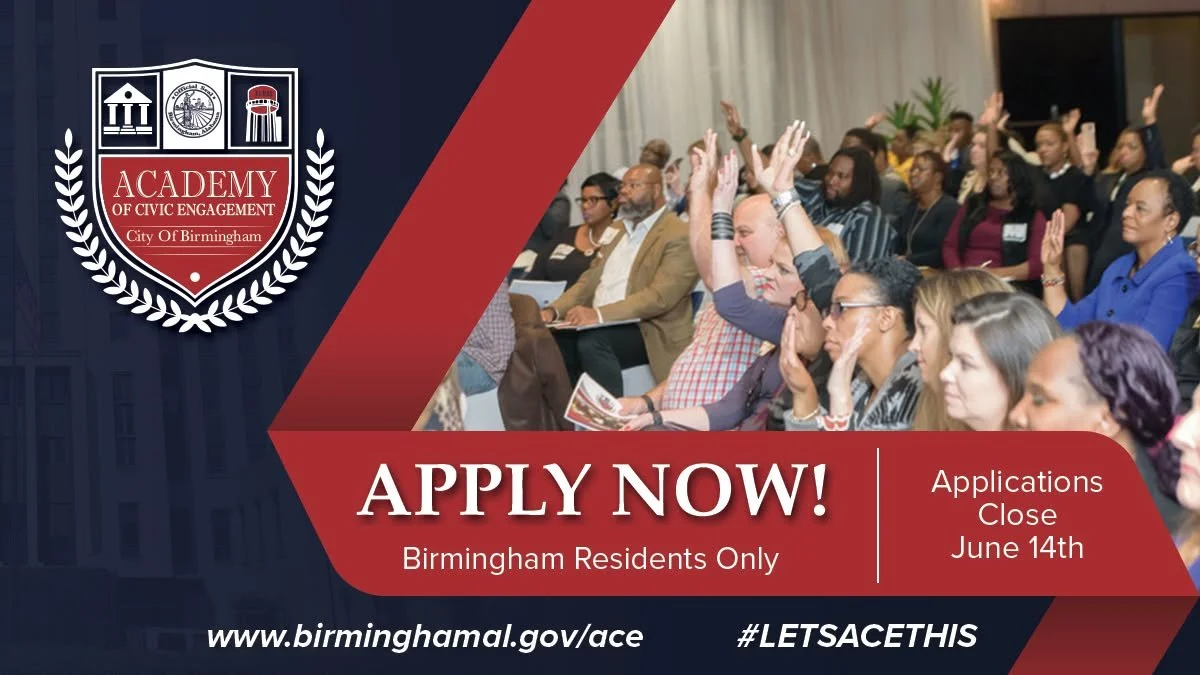
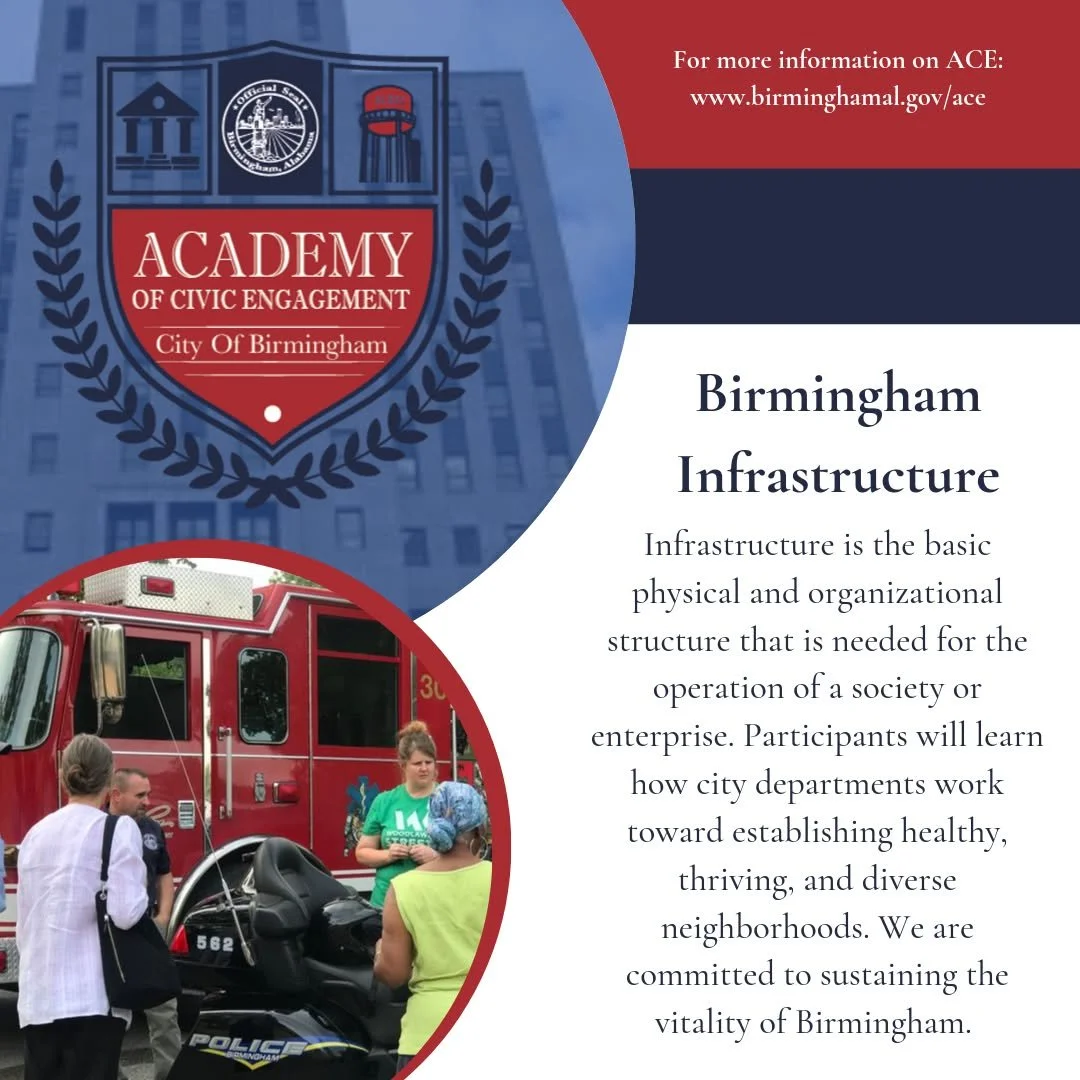
In response, we architected the Academy of Civic Engagement (ACE). The ethos of ACE was born directly from the 2017 campaign sentiment: capturing the belief that residents hold the power, and giving them the tactical tools to wield it. We designed ACE not as a traditional civics class, but as a mechanism to build new neural networks across the city. The goal was twofold: to increase robust civic education by demystifying how budgets, policies, and departments actually work, and to engineer high-trust relationship building. ACE was built to connect residents directly to City Hall decision-makers—turning plain conference rooms into spaces of shared vision—while also connecting residents across generations and ZIP codes to each other.
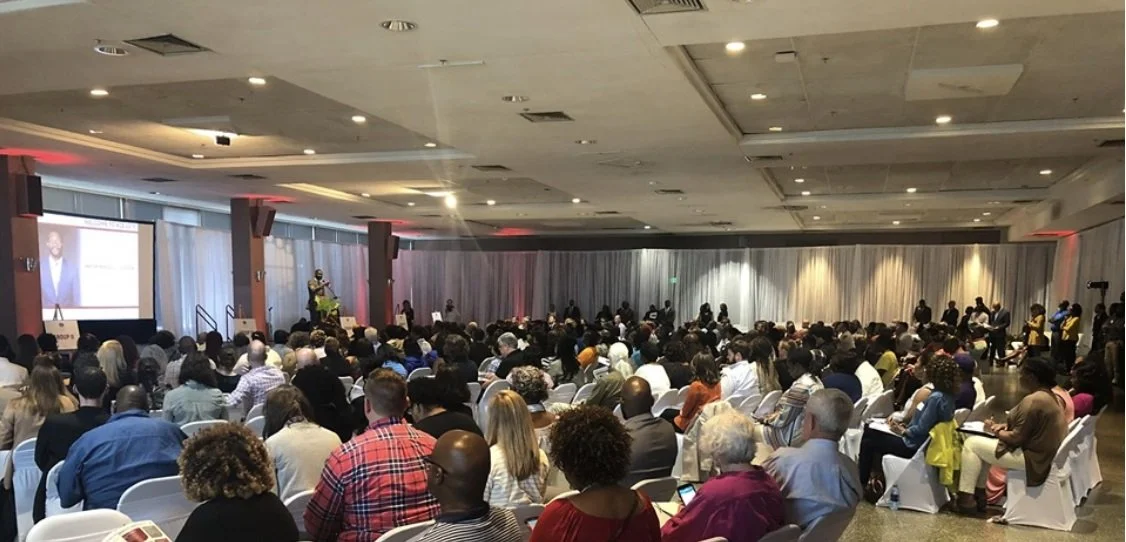
Our Impact
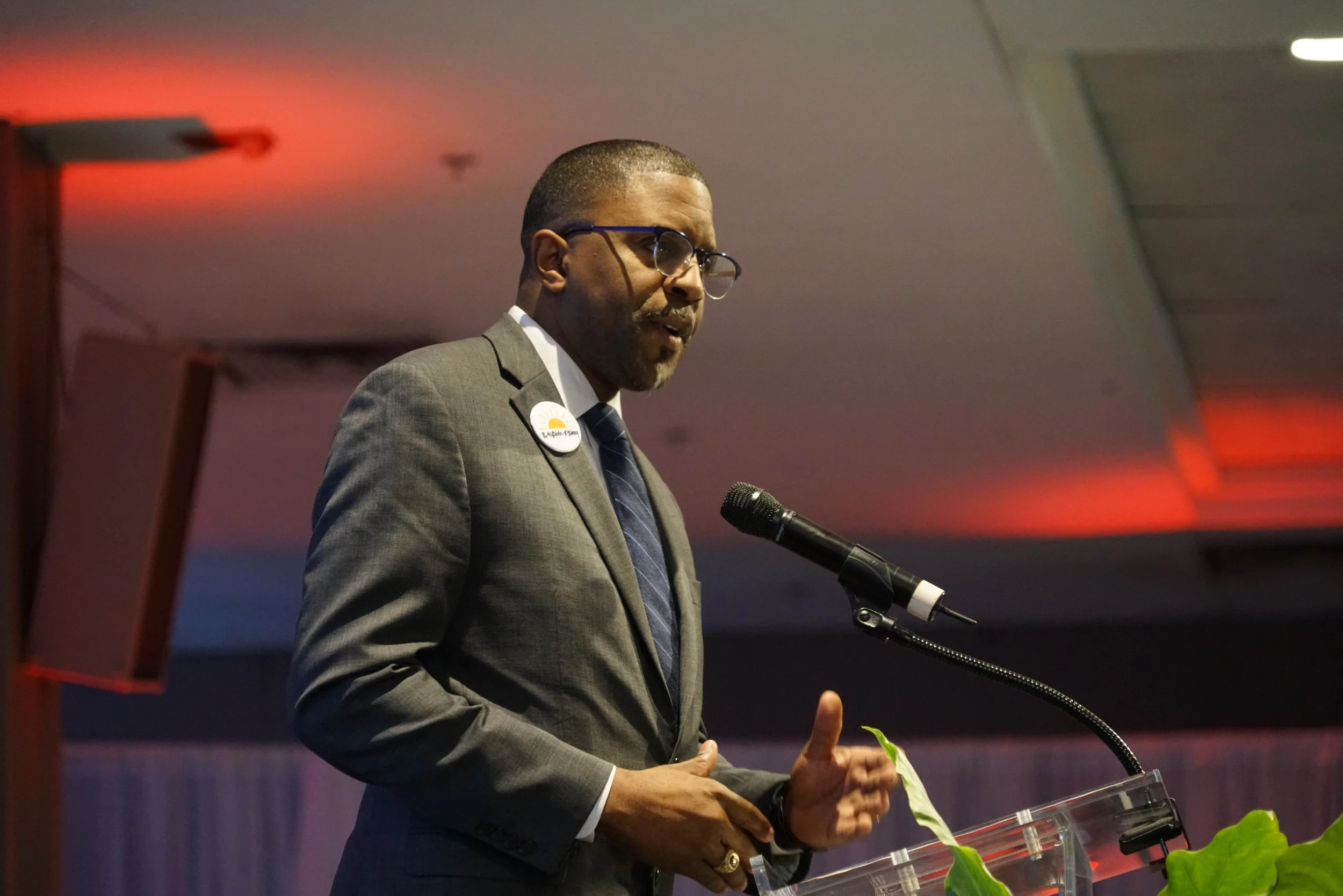
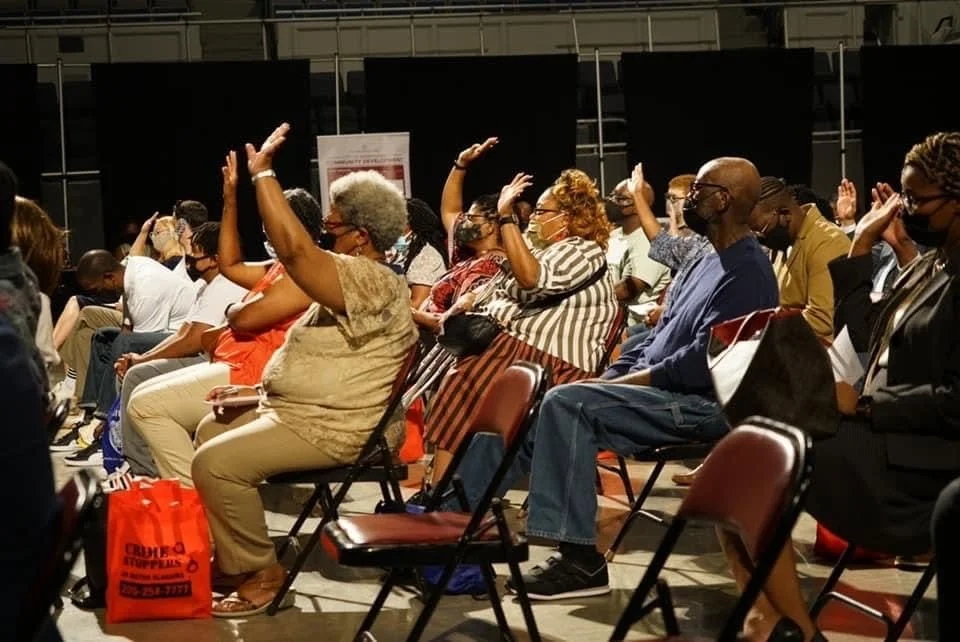
The result was a total revitalization of Birmingham’s participatory democracy. ACE became the most visible, accessible, and successful point of entry for citizens.
Instead of apathy, we witnessed a surge of vigorous, informed participation. Neighborhood associations experienced an injection of new leadership and increased attendance. ACE graduates didn't just learn about government; they took ownership of it. Alumni stepped up to run for local elected offices, with graduates now serving on the school board, the city council, and holding influential roles on municipal boards. Furthermore, by giving residents the tactical knowledge of how the city operates, we saw a dramatic increase in viable, actionable ideas generated by neighborhoods that city departments could actually execute.
1,400+ Graduates: Residents from all 99 neighborhoods who have completed the intensive 7-week cohort since its launch in 2019.
100% Barrier-Free: Free registration designed to ensure access regardless of income, primary language, or social status.
360-Degree Access: Program modules include unfiltered, direct engagement with the Mayor, City Council, police and fire chiefs, and critical department heads.
On A Personal Note
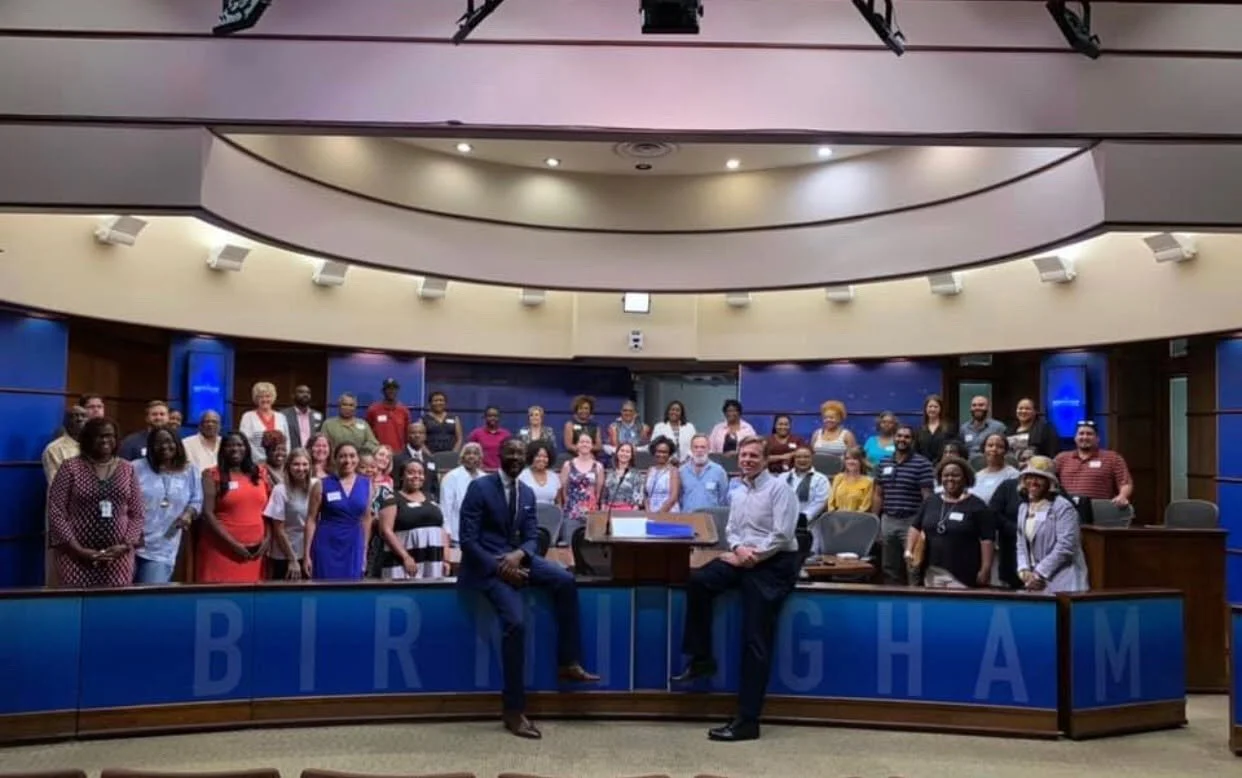
Over the years, I have personally hosted hundreds of residents in small group discussions in the inner sanctum of City Hall (which turns out to be a plain old conference room) to demystify the work we do on their behalf.
One Thursday evening, I described our city’s communications efforts at an ACE “citizen strategy session” in the Mayor’s conference room.
One woman, an older longtime resident of Ensley Highlands chirped, “why don’t you all get these young people out here something to do and ask them to share the information so we can all get it!” She wasn’t angry, just emphatic. Very emphatic.
Before I could answer the question another woman, a single Mom in her 30s, not from Birmingham, chimed in, “That’s why we are here. To get the information and to share it with them.”
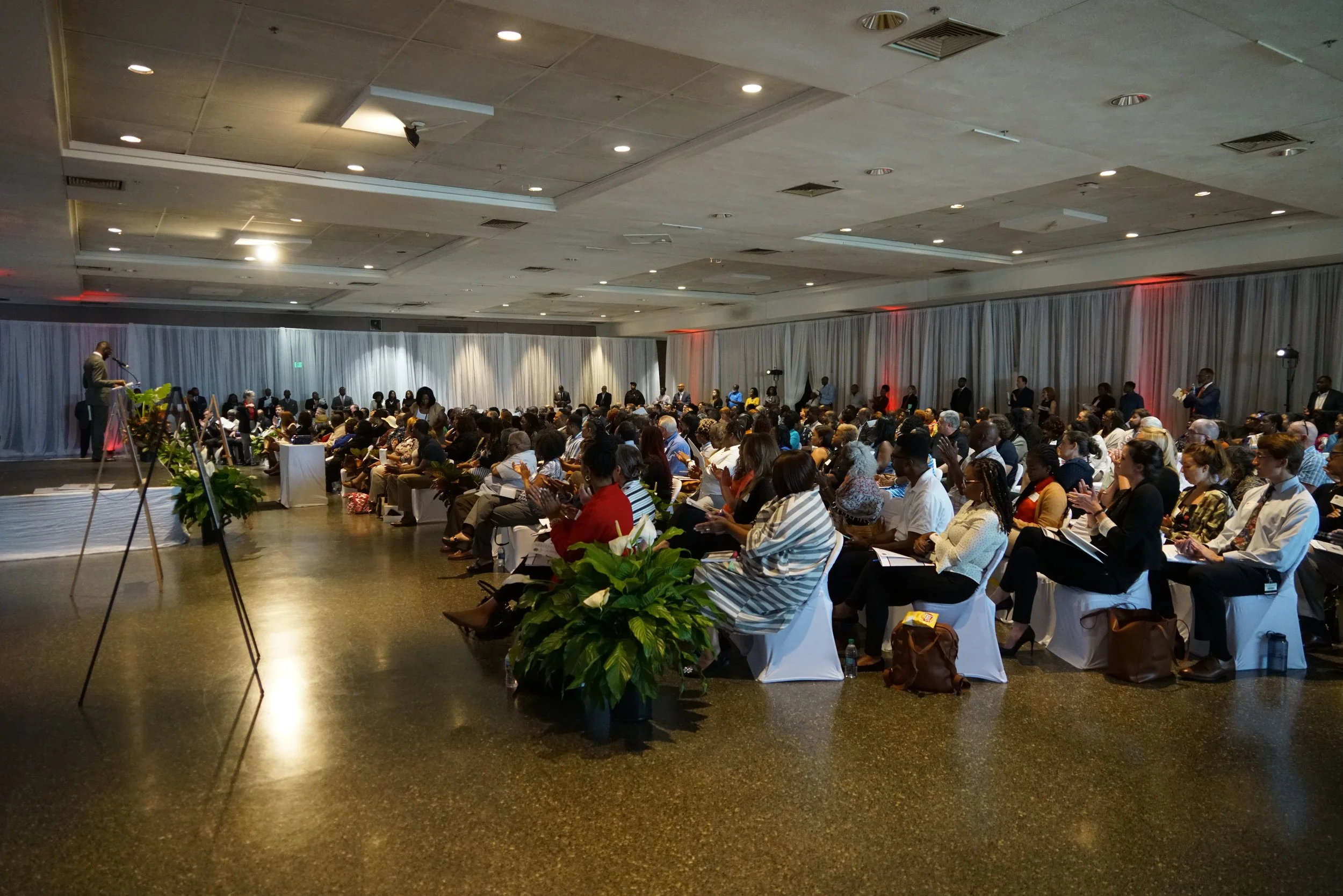
An energetic, civil dialogue among those 30 residents ensued. Residents from every generation, race, gender, and persuasion.
Maybe they liked what I had to say, maybe they didn’t. That’s not the point. The point is I was there and they were there and there was no transaction. It was the sharing of vision, the hearing of voices, and the clasping of hands.
I consider ACE one of the Woodfin Administration’s greatest successes because the people we serve consider it one of our greatest successes.
Honestly,
Ed.